
South African drivers are set for heavy petrol and diesel price cuts in July 2026. Mid month data from the Central Energy Fund points to one of the biggest single month drops since 2024. The rand has held steady against the United States dollar at the same time and that has added to the relief at the pump.
The peace deal between the United States and Iran helped to bring oil prices down. Brent crude has fallen from over 78 dollars a barrel to around 67 dollars in two weeks. The lower oil price feeds directly into the South African monthly fuel price formula.
The Automobile Association of South Africa has confirmed the expected drops. The full update will be released by the Department of Mineral Resources and Energy on Monday 30 June 2026.
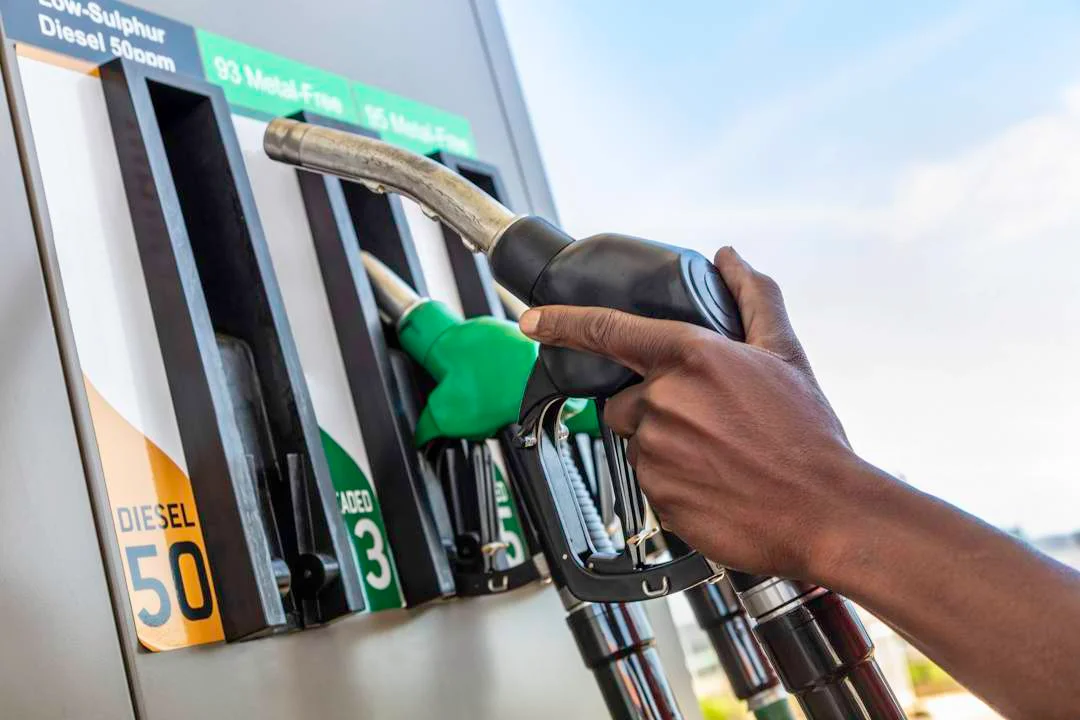
Here are the expected July 2026 fuel price changes for South Africa:
- Petrol 93 (inland) – drop of around 95 cents per litre
- Petrol 93 (coastal) – drop of around 95 cents per litre
- Petrol 95 (inland) – drop of around 100 cents per litre
- Petrol 95 (coastal) – drop of around 100 cents per litre
- Diesel 50ppm – drop of around 145 cents per litre
- Diesel 500ppm – drop of around 145 cents per litre
- Illuminating paraffin – drop of around 150 cents per litre
- LP Gas – drop of around 200 cents per kilogram
A 100 cent cut on petrol means a fill of a 50 litre tank will cost about R50 less. Over a typical month most South African households will save between R150 and R300. Big users like taxi drivers, truckers and farmers will save much more.
Diesel has a much bigger drop because of how the rand and oil have moved together. Lower diesel prices help food prices most of all. Most goods in South African shops travel on diesel trucks at some point. Bakeries, dairies and meat producers also use diesel for delivery and farm work.
The change will be felt at every petrol station in the country from midnight on Tuesday 1 July. The new prices apply across all major chains, including Engen, Sasol, Shell, BP, Astron and Total. Smaller independent stations also follow the same gazetted price.
Treasury and the South African Reserve Bank are watching the same numbers. Lower fuel prices push down on headline inflation. That gives the Reserve Bank more room to cut interest rates later in the year.
The Reserve Bank Monetary Policy Committee meets on 24 July 2026. Most analysts now expect a cut of 25 basis points at that meeting. A repo rate cut would lower the prime lending rate at the major banks and reduce home loan and car loan costs.
The Department of Mineral Resources and Energy has warned that the final numbers can still shift in the last week of June. Sudden changes in the oil market or the rand can push the figures up or down. The full price update will be published in the Government Gazette on 30 June.
Motorists who can wait for the new price should do so. Filling up after midnight on Tuesday 1 July will lock in the lower amount. The Automobile Association has reminded drivers to keep their tyres properly inflated as that saves up to 3 percent on fuel use as well.

Emma Collins is a business and financial journalist reporting on South Africa’s economy. She covers the Johannesburg Stock Exchange (JSE), rand movements, Reserve Bank policy, mining and resources, and the country’s emerging startup ecosystem. Emma’s reporting helps readers understand how economic decisions by government and corporations affect everyday South Africans. She has tracked major developments at Eskom, Transnet and the National Treasury.